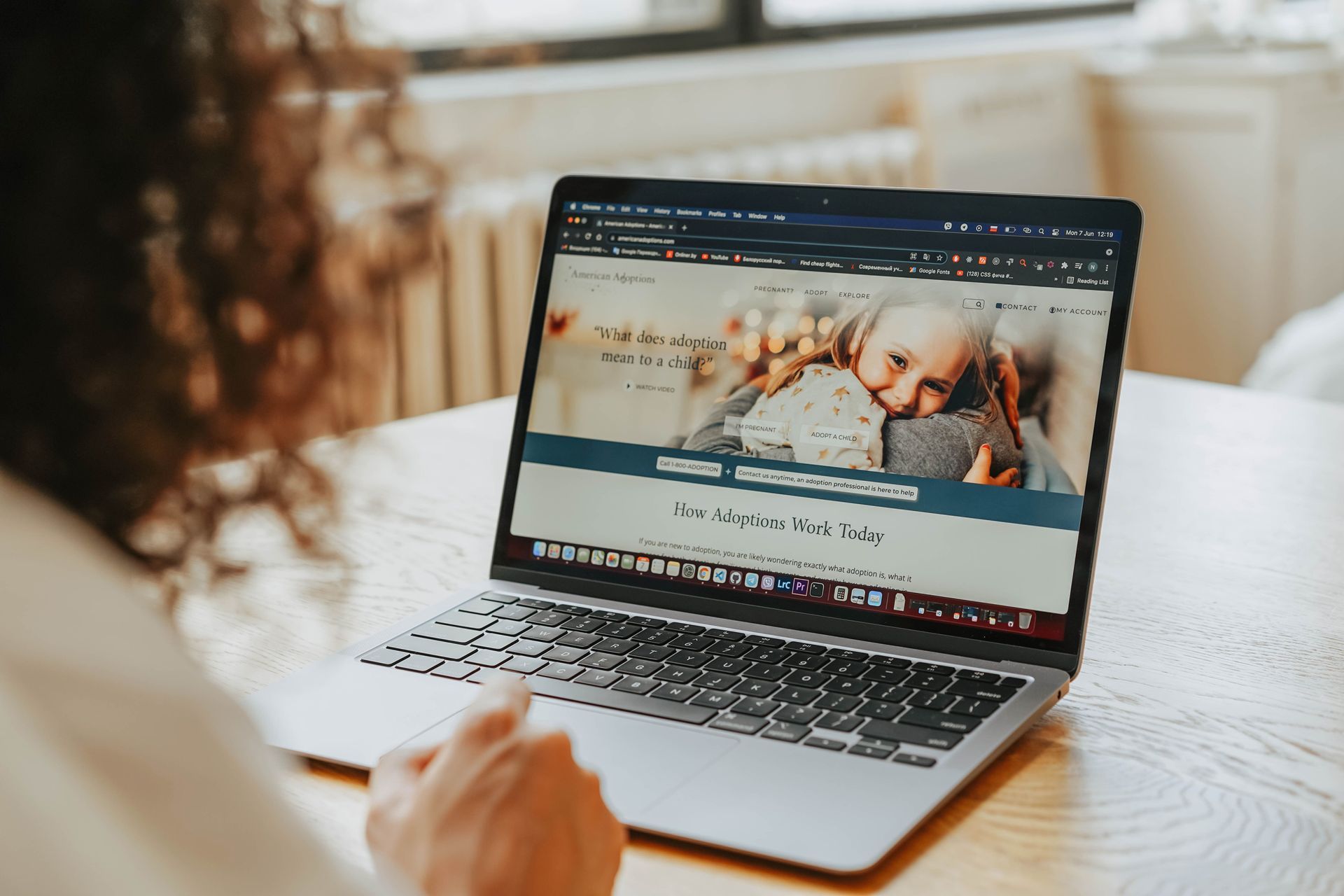
What makes a high-converting small business website?
Many business owners assume a good website is one that looks modern and attractive.
While design certainly matters, appearance alone does not generate leads, appointments, phone calls, or sales.
A high-converting website does more than look good—it helps visitors take action.
Whether your goal is generating inquiries, booking consultations, selling products, or collecting leads, your website should guide visitors toward a clear next step.
The challenge is that many small business websites focus heavily on the business itself and not enough on the customer.
The most effective websites are built around one simple question:
"What does a potential customer need to see before they trust us enough to contact us?"
Let's explore the elements that separate high-converting websites from the ones that struggle to produce results.
Clear messaging above the fold
When visitors land on your website, they should immediately understand:
- What you do
- Who you help
- Why they should choose you
- What action to take next
Many websites waste valuable space with vague headlines such as:
- Excellence in service
- Quality you can trust
- Solutions for every need
While these statements sound professional, they don't explain anything specific.
Instead, your headline should clearly communicate your value.
For example:
- Custom websites built to help small businesses grow
- Family dentistry focused on comfort and long-term oral health
- Heating and cooling services you can count on year-round
Visitors should never have to guess what your business does.
A strong call to action
One of the most common website mistakes is failing to tell visitors what to do next.
Every page should include a clear call to action.
Examples include:
- Schedule a consultation
- Request a quote
- Book an appointment
- Call now
- Get started
- Contact our team
If visitors have to search for your contact information or wonder how to move forward, many will simply leave. The easier you make the next step, the more conversions you'll generate.
Mobile-friendly design
For many businesses, more than half of website traffic comes from mobile devices.
A website that looks great on a desktop computer but performs poorly on a phone creates a frustrating experience for users.
A mobile-friendly website should:
- Load quickly
- Display properly on smaller screens
- Use readable text sizes
- Include easy-to-tap buttons
- Offer simple navigation
Google also prioritizes mobile usability when evaluating websites, making mobile optimization important for both user experience and search visibility.
Fast page speed
Patience online is limited.
Research consistently shows that users abandon slow-loading websites.
Even a delay of a few seconds can increase bounce rates and reduce conversions.
Fast websites provide several benefits:
- Better user experience
- Improved search performance
- Higher engagement
- Increased lead generation
Common causes of slow websites include:
- Oversized images
- Poor hosting
- Excessive plugins
- Unoptimized code
- Unnecessary animations
Speed is no longer a luxury feature. It is a core business requirement.
Trust signals throughout the website
Before contacting a business, visitors want reassurance that they are making the right decision.
Trust signals help remove uncertainty. Examples include:
- Customer reviews and testimonials: Social proof remains one of the strongest conversion tools available. Positive feedback from real customers helps prospects feel confident about contacting your business.
- Certifications and credentials: industry certifications, licenses, awards, and memberships help establish credibility.
Project examples or case studies
Showing your work often builds trust faster than simply describing it.
Team information
People prefer doing business with people.
Introducing your team can make your company feel more approachable and trustworthy.
Service pages that answer questions
Many small business websites have only a few sentences describing their services.
Unfortunately, this often leaves visitors with unanswered questions.
Strong service pages should explain:
- What the service includes
- Who it is for
- Common problems it solves
- Frequently asked questions
- Benefits and outcomes
- Next steps
Detailed service pages help both customers and search engines better understand your business.
Simple navigation
Website navigation should be intuitive.
Visitors should be able to find important information quickly without becoming frustrated.
Most small business websites only need a handful of primary navigation options, such as:
- Home
- About
- Services
- Blog
- Contact
Complex navigation structures often create confusion and reduce conversions. When in doubt, simplify.
Helpful content
Many customers begin researching long before they are ready to buy.
Educational content helps businesses connect with potential customers during this research phase.
Examples include:
- Blog articles
- FAQs
- Guides
- Checklists
- Resource centers
Helpful content builds trust, demonstrates expertise, and improves search visibility.
It also gives visitors a reason to spend more time on your website.
Easy ways to contact you
It may sound obvious, but many websites make it surprisingly difficult to reach the business.
Your contact information should be easy to find from every page.
Consider including:
- Phone number
- Contact form
- Email address
- Physical address
- Business hours
For service-based businesses, offering multiple contact options can significantly improve conversion rates.
Consistency across the website
High-converting websites create a cohesive experience.
Your branding, messaging, imagery, and tone should feel consistent from page to page.
Inconsistent design or messaging can create doubt and make visitors question your professionalism.
Consistency helps build confidence and strengthens your brand identity.
Measuring success
A website should not be judged solely by how it looks.
Instead, measure outcomes such as:
- Form submissions
- Phone calls
- Appointment requests
- Sales
- Newsletter signups
- Lead quality
A beautiful website that generates no leads is not successful.
A website that consistently attracts and converts customers is.
Common signs your website may need improvement
You may benefit from a website update if:
- Visitors leave quickly.
- Mobile performance is poor.
- Contact forms receive few submissions.
- Your website loads slowly.
- Information is outdated.
- Competitors appear more professional online.
- You are not generating leads consistently.
Even small improvements can have a significant impact on results over time.
Final thoughts
A high-converting website is not about flashy design trends or complicated features.
It is about helping visitors quickly understand your business, trust your expertise, and take the next step.
When clear messaging, strong calls to action, trust signals, quality content, and a great user experience work together, your website becomes more than a digital brochure.
It becomes one of the most valuable tools for growing your business.
The best small business websites don't just attract visitors.
They turn visitors into customers.